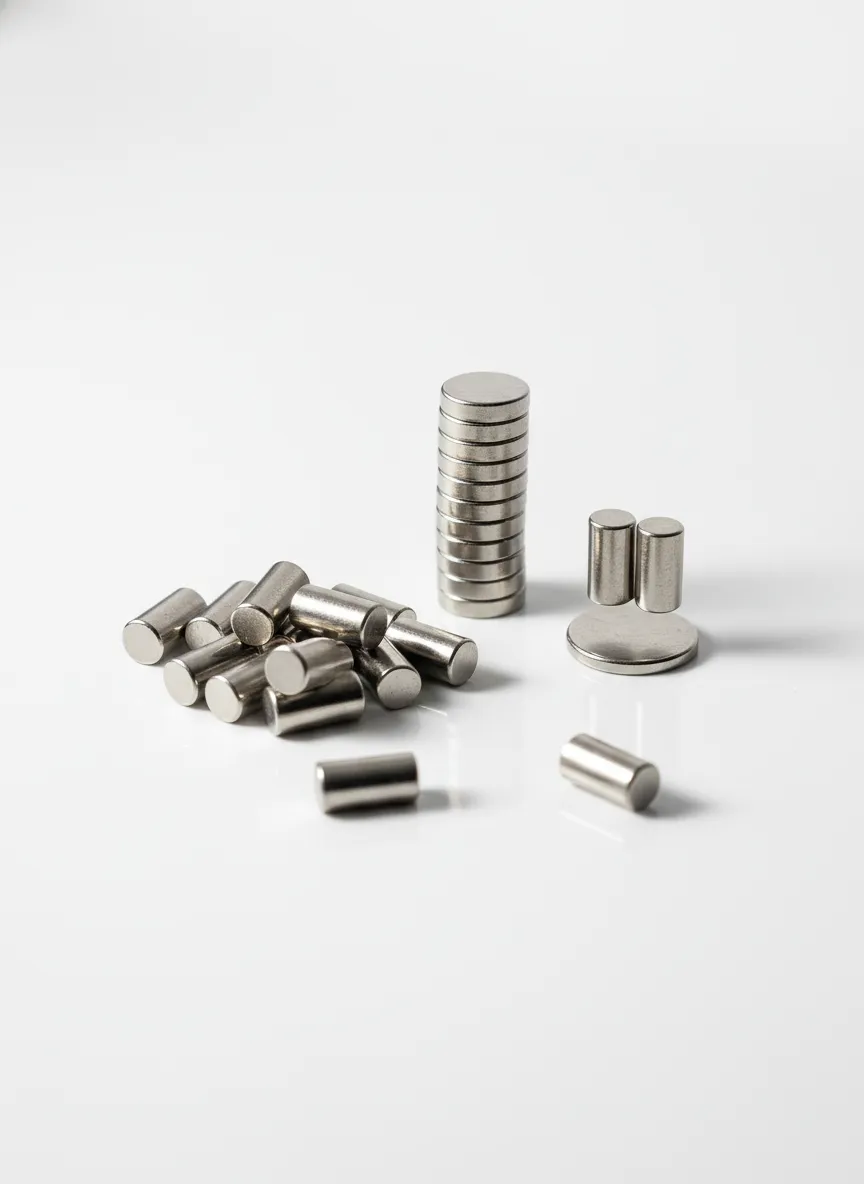
Small But Mighty: Neodymium Miniature Cylinder Magnets Review – Are They Worth It?
Neodymium miniature cylinder magnets reviewed: superior axial pull force, triple Ni-Cu-Ni coating, and micro-tolerances ideal for 3D printing, gaming & crafts.
Check Price on AmazonProduct Details & Features
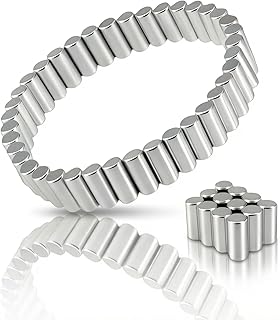
You are looking at the ultimate solution for invisible, industrial-strength fastening. Forget bulky, weak ceramic magnets that slide down your refrigerator the moment you clip a second piece of paper to them. If you are a miniature hobbyist, a 3D printing enthusiast, a DIY crafter, or simply someone who demands absolute precision in home organization, neodymium miniature cylinder magnets are the undisputed heavyweights in a featherweight class.
These rare-earth powerhouses pack an astonishing pull force into a footprint barely larger than a grain of rice. When precision matters, when aesthetics cannot be compromised, and when failure is not an option, you need a fastening mechanism that holds fast without drawing attention to itself. This comprehensive breakdown explores exactly why these specific neodymium miniature cylinder magnets have become the go-to secret weapon for makers, engineers, and organizers around the globe.
Product Overview
Neodymium magnets (specifically NdFeB, an alloy of neodymium, iron, and boron) are the strongest type of permanent magnet commercially available today. The miniature cylinder form factor takes this raw elemental power and distills it into a hyper-versatile shape. Unlike flat discs that can be difficult to embed, or bulky blocks that ruin the aesthetic lines of a project, the cylinder shape is precision-engineered for drilling, recessing, and flush-mounting.
Whether you are magnetizing the weapon arms of a tabletop miniature, designing a snap-fit lid for a custom 3D printed box, or creating a minimalist floating display for your office, these magnets deliver unparalleled performance. They offer an axial magnetization profile—meaning the magnetic poles are located on the flat ends of the cylinder—providing a focused, directional pull exactly where you need it most.

Key Features & Benefits
What elevates these miniature cylinders above standard hardware store alternatives? It comes down to material science, manufacturing tolerances, and protective finishing.
Top Features
- Exceptional Pull Force-to-Volume Ratio: Despite their microscopic footprint, these rare-earth magnets generate a magnetic field exponentially stronger than ferrite magnets ten times their size.
- Triple-Layer Ni-Cu-Ni Coating: Raw neodymium oxidizes and rusts rapidly when exposed to air. These cylinders are electroplated with a premium Nickel-Copper-Nickel finish. This not only provides a sleek, silver aesthetic but serves as a vital armor against moisture, corrosion, and physical wear.
- Precision Dimensional Tolerances: When you drill a 3mm hole, you need a 3mm magnet. These cylinders are manufactured with strict micrometric tolerances, ensuring a perfect friction-fit in your precision projects.
- High Resistance to Demagnetization: Unlike older alnico or ceramic magnets that lose their charge when dropped or exposed to competing magnetic fields, neodymium retains its strength permanently under normal operating conditions.
- Axial Magnetization: The north and south poles are located on the flat circular faces. This concentrates the holding power directly downward, maximizing grip against flat metal surfaces or opposing magnets.
The True Value of Miniaturization
The real magic of the miniature cylinder lies in its ability to be completely hidden. In modern design, the best hardware is the hardware you never see. By utilizing a small Pin Vise Hand Drill, you can bore a tiny recess into wood, plastic, or resin, insert the magnet with a drop of High-Performance Cyanoacrylate Glue, and create an invisible locking mechanism that feels like absolute magic.
The Ultimate Ecosystem: Real-World Applications
To truly understand the value of these miniature magnets, we have to look at the massive ecosystem of hobbies, trades, and organizational hacks they support. Here is a deep dive into how these tiny titans revolutionize different disciplines, along with the complementary tools you need to maximize their potential.
1. Tabletop Gaming & Miniature Magnetization
If you play wargames, you know the pain of committing to a single weapon loadout on an expensive model. Magnetizing your miniatures allows you to swap weapons, heads, and vehicle turrets on the fly. These miniature cylinders are the gold standard for the hobby.
To execute this flawlessly, you will need a Warhammer 40k Starter Set or your favorite Citadel Miniatures. Use a precision Army Painter Pin Vise to drill directly into the plastic shoulder joints. If you make a mistake or need to fill a gap, Green Stuff Sculpting Epoxy is essential for smoothing out the insertion point. Once magnetized, you can seamlessly swap parts painted with premium Vallejo Paint Sets using fine-tipped Miniature Paint Brushes. Keep your workspace organized with a Self-Healing Cutting Mat, a Wet Palette, and sharp Hobby Knives.
2. 3D Printing & Prototyping
In the world of additive manufacturing, snapping multi-part prints together securely is a constant challenge. Friction fits wear down over time, and glue is permanent. Embedding neodymium magnets into your prints is a game-changer.
Whether you are running a Creality Ender 3 V3 FDM printer or an Elegoo Mars 4 Resin Printer, you can design small cylindrical cavities directly into your CAD models. By pausing your print halfway, you can drop these magnets into the hollowed-out space, letting your Hatchbox PLA Filament or Siraya Tech Tough Resin print directly over them, sealing them inside forever. To ensure perfect tolerances in your 3D models, always measure your magnets with Digital Calipers. Post-processing your magnet-embedded parts requires precision Deburring Tools. If you are printing in resin, ensure your Resin Curing Station doesn’t overheat the magnets, and always handle uncured parts with Nitrile Gloves and clean them with Isopropyl Alcohol 99%. Maintain your printing environment with quality 3D Printer Enclosures.

3. Kitchen & Home Organization
Tired of a cluttered refrigerator that looks like a chaotic mess of oversized, ugly souvenir magnets? Transition to a minimalist aesthetic. These tiny silver cylinders blend seamlessly into the background of modern Stainless Steel Refrigerators.
Beyond holding up photos, you can glue them to the back of Magnetic Spice Tins for custom rack solutions. Use them in tandem with Command Strips Heavy Duty to create modular, removable wall art. They are perfect for mounting Dry Erase Calendars or snapping lightweight utensils to Magnetic Knife Strips. For a truly robust bond to non-porous surfaces, stick these magnets down with E6000 Craft Adhesive or Heavy Duty Double Sided Tape. Pair your new organized spaces with sleek Label Makers to categorize everything easily. These magnets also work phenomenally well on modern Glass Whiteboards (which require very strong magnets) and industrial Metal Pegboards.
4. Professional Office & Workspace Optimization
A clean desk is a productive desk. Transform your office space by utilizing vertical, magnetic real estate. Instead of relying on pushpins that damage documents, use these miniature magnets on Cork Bulletin Boards that have a steel backing.
They easily snap onto the side of steel Filing Cabinets to hold up important reference charts. Keep your Whiteboard Markers within reach by gluing a magnet to the cap. You can organize loose cables by attaching them to Binder Clips and snapping them to your metal desk frame. Elevate your layout further with Mesh Desk Accessories and modern Desk Organizers. For IT professionals and hardware tinkerers, these are great for custom Magnetic Tool Holders mounted directly to Steel Shelving Units. Protect your important magnetized documents with high-quality Laminating Machines, and secure rogue wires with professional Gaffer Tape.
5. DIY Crafting & Jewelry Making
Crafters and jewelry makers require hardware that does not compromise the beauty of their art. The miniature cylinder form factor is ideal for creating custom, invisible magnetic clasps for bracelets and necklaces.
Manipulating these tiny items requires the right tools, such as fine-tipped Jewelry Pliers. If you are casting custom pieces, embedding these magnets into Epoxy Resin Kits creates incredible interactive art pieces. They integrate flawlessly into decoupage projects sealed with Mod Podge. Woodworkers can use them to create hidden cabinet latches, relying on Woodworking Clamps while the glue sets in the recesses hollowed out by Dremel Rotary Tools. Electronics hobbyists often use them in custom enclosures, utilizing Soldering Irons to build the internals. For quick and dirty mounting, standard Hot Glue Guns work in a pinch. If you are working on microscopic details, Precision Screwdriver Sets and Craft Magnifying Glasses are absolute necessities to ensure you are aligning the north/south poles correctly.
Technical Specifications
Understanding the technical boundaries of your hardware prevents catastrophic project failures. Neodymium is incredibly strong, but it has specific material properties that must be respected.
First, these magnets are sintered. This means they are essentially made of powdered metal pressed together under immense pressure and heat. As a result, neodymium is inherently brittle. If you allow two of these magnets to snap together from a distance, the sheer force of their own magnetic attraction can cause them to chip or shatter. Always slide them apart, rather than pulling them directly away from each other.
Furthermore, neodymium has a maximum operating temperature. Standard N-grade neodymium will permanently lose a fraction of its magnetic strength if exposed to temperatures exceeding 80°C (176°F). Keep them away from direct open flames or high-heat engine components.
Technical Specs & Comparison
Here is how these miniature cylinders stack up against alternative magnetic solutions on the market.
| Feature | Detail | Check Price |
|---|---|---|
| Material | Sintered Neodymium (NdFeB) | View Bulk Neodymium Options |
| Shape | Miniature Cylinder | View Alternative Square Magnets |
| Coating | Nickel-Copper-Nickel (Ni-Cu-Ni) | View Rust Proof Coated Magnets |
| Magnetization | Axial (Through the thickness) | View Diametric Magnets |
| Max Temp | 80°C / 176°F | View High-Temp SmCo Magnets |
| Adhesive Included? | No (Requires Cyanoacrylate/Epoxy) | View Adhesive Backed Magnets |
| Best Application | Recessed mounting, Miniatures, 3D Prints | View Heavy Duty Mounting Magnets |

Pros & Cons
No product is completely flawless. To make an informed decision, you must weigh the extreme advantages of miniature rare-earth magnets against their inherent physical limitations.
Pros:
- Unmatched Strength: Holds multiple sheets of heavy cardstock, photographs, or miniature components with zero slippage.
- Discreet Profile: The miniature size ensures the magnet does not distract from the item it is holding or the project it is embedded in.
- Corrosion Resistance: The triple-layer Ni-Cu-Ni plating provides a beautiful, durable barrier against ambient moisture.
- Versatility: Can be used in literally thousands of different applications across dozens of hobbies and professions.
- Cost-Effective: Sold in bulk sets, bringing the per-magnet cost down to fractions of a penny.
Cons:
- Brittle Nature: Will chip or shatter if allowed to aggressively snap together from a distance.
- Handling Difficulty: Their tiny size makes them incredibly easy to drop or lose if you lack dexterity.
- Safety Hazard: Keep absolutely away from small children and pets; swallowing multiple magnets is a severe, life-threatening medical emergency.
Expert Verdict
“For high-end hobbyists and professional organizers, settling for cheap ceramic magnets is a massive mistake. The holding power of these miniature neodymium cylinders defies their microscopic footprint. Whether you are embedding them into custom 3D printed chassis, flush-mounting them into woodworking projects, or just trying to keep your whiteboard looking sleek and professional, these are the gold standard. Treat them with respect—slide them apart rather than pulling, and don’t let them crash into each other—and they will provide a lifetime of unyielding, invisible grip.”
Final Verdict
The Bottom Line: If you require uncompromising strength in a tiny, sleek package, these Neodymium Miniature Cylinder Magnets are an absolute necessity.
They bridge the gap between heavy-duty industrial hardware and delicate crafting supplies. By combining extreme pull force with exact micrometric tolerances and a brilliant, rust-resistant finish, they solve fastening problems that glue, tape, and velcro simply cannot touch. They allow you to create modular, interactive, and cleanly designed projects without the visual clutter of bulky mechanical latches.
Stop wrestling with weak refrigerator magnets that drop your documents. Stop permanently gluing your tabletop miniatures into single poses. Upgrade your hardware, elevate your projects, and experience the power of true rare-earth magnetism.
Frequently Asked Questions (FAQ)
What is the difference between axial and diametric magnetization in cylinder magnets?
Axially magnetized cylinder magnets have their north and south poles on the flat circular ends (top and bottom). This directs the maximum magnetic flux straight outward for flush-to-surface applications. Diametrically magnetized cylinders have poles on opposite curved sides, making them better for rotational motor applications. For DIY embedding, 3D printing, and miniature gaming, axial magnetization is almost always what you need.
What size miniature magnet do I need for 28mm Warhammer or D&D models?
For 28mm to 32mm scale miniature limbs and weapons, a 2mm × 1mm magnet is the gold standard. For neck or torso connections on larger models (Space Marine Terminators, Ogres), use 3mm × 1mm. Vehicle turrets and dreadnought arms typically require 5mm × 2mm. Always match your drill bit diameter exactly to the magnet diameter for a snug press-fit.
Can miniature cylinder magnets be embedded inside 3D prints?
Yes — this is one of their most popular uses. Design a cylindrical void into your CAD model (e.g., in Fusion 360 or Tinkercad), pause the print at the correct layer height in your slicer software (Cura, PrusaSlicer, Bambu Studio), drop the magnet in, and resume printing. The extruded plastic encases the magnet permanently. Ensure the void is 0.2–0.3mm larger than the magnet’s actual diameter to account for printer tolerance.
How do you safely remove a stuck neodymium magnet from a model or 3D print?
If glued with cyanoacrylate (CA glue), applying acetone to the joint using a fine brush will dissolve the bond after 60–90 seconds. If the magnet is press-fitted or encased in epoxy, use a pin vice to drill alongside the magnet carefully and lever it out. For magnets entombed inside 3D prints, recovery is usually impossible without destroying the print — always double-check polarity before gluing.
Ready to revolutionize your DIY projects and organization?