Best Magnetic Stud Finder: Simple, Battery-Free Drywall Hacks
Review of the best magnetic stud finders. Find wall studs quickly and accurately using simple, battery-free rare-earth neodymium technology.
Check Price on AmazonProduct Details & Features
We’ve all been there: you buy a beautiful new picture frame, shelf, or flat-screen TV mount, grab your electronic stud finder, and start sliding it across the wall. The device beeps erratically, flashes red, and gives you a false reading, leaving you with three unnecessary holes in your drywall and a crooked shelf. Electronic stud finders are notoriously finicky—they require batteries, need constant calibration, and can easily mistake electrical wires or pipes for wooden studs.
But there is a simpler, cheaper, and 100% reliable alternative: the magnetic stud finder.
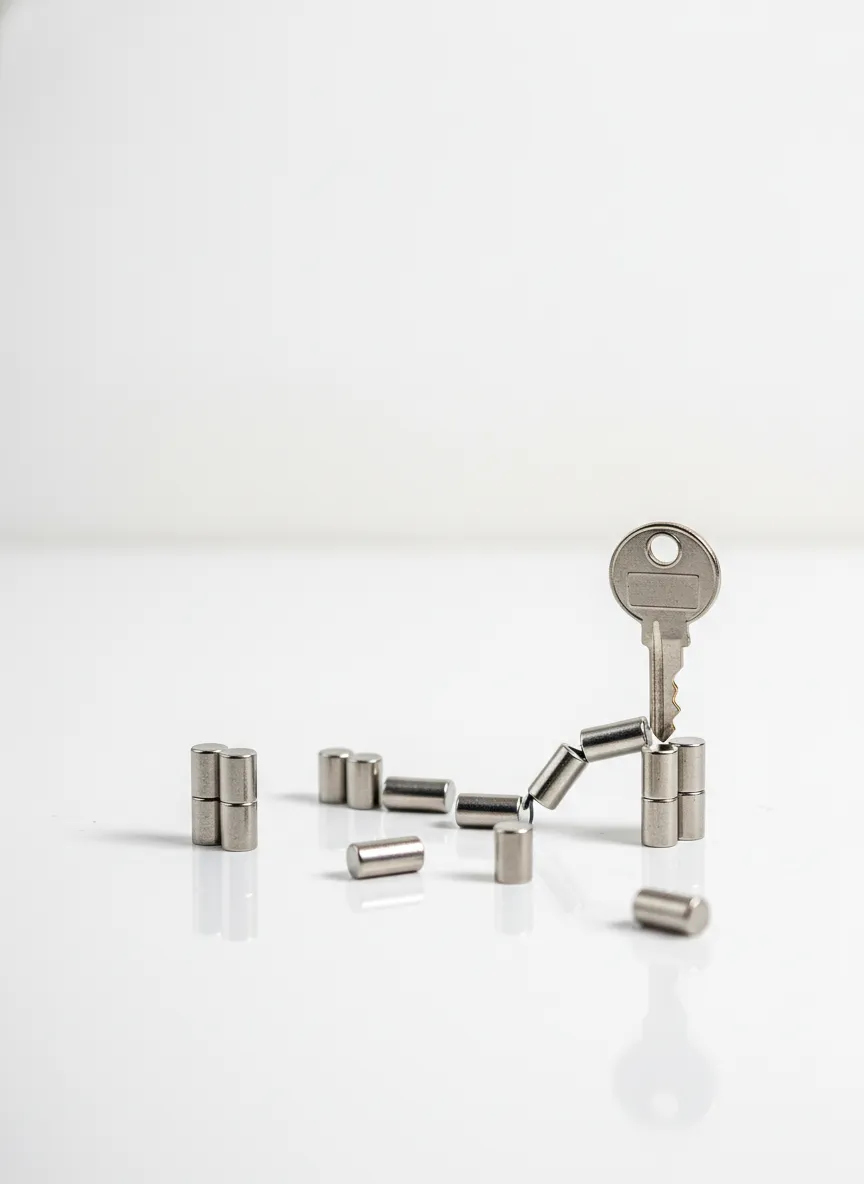
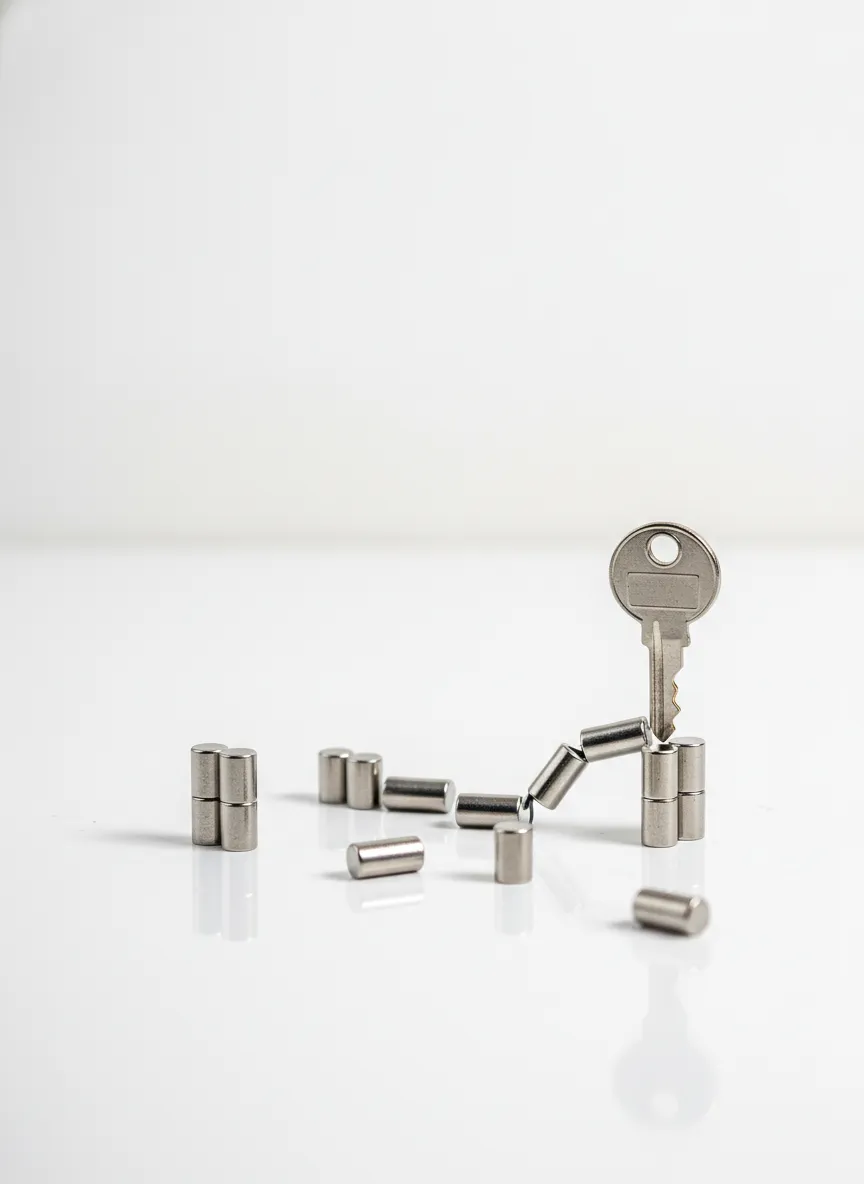
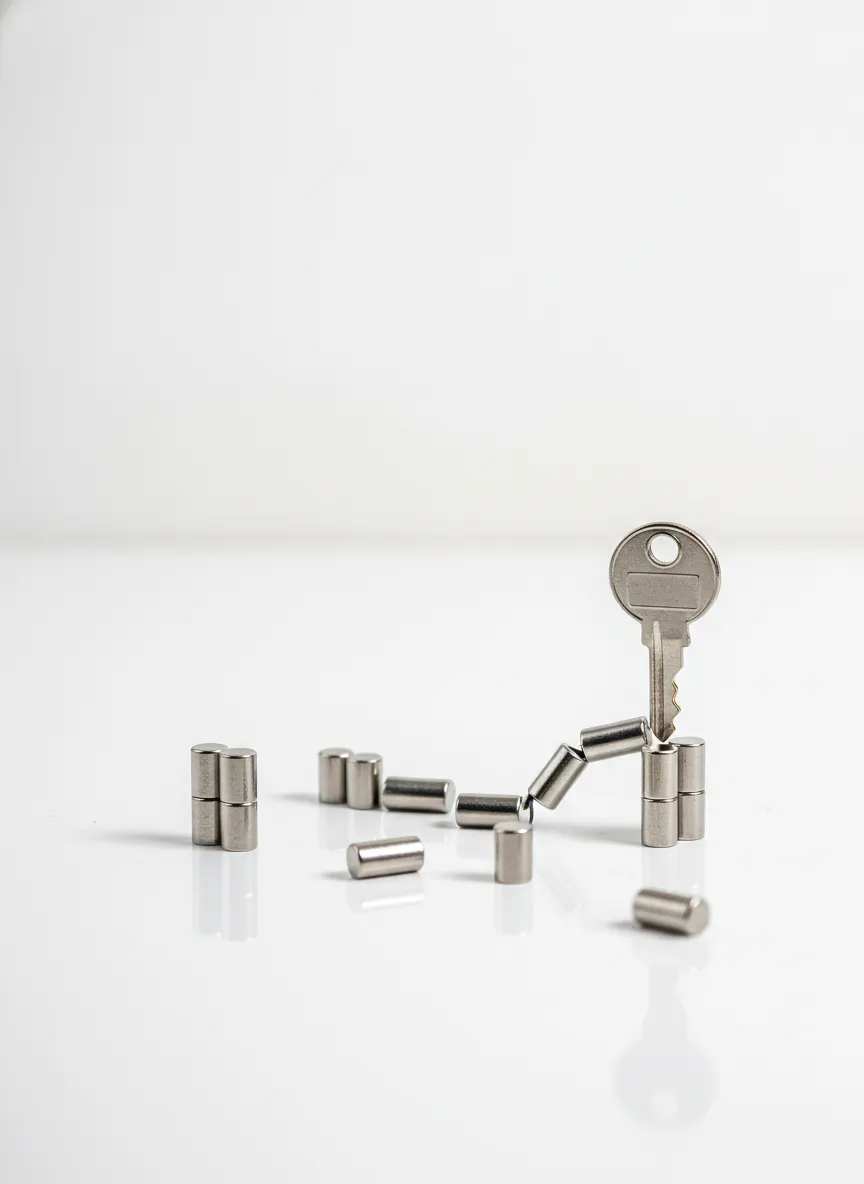
Instead of scanning the density of the wall with electronic sensors, a magnetic stud finder relies on powerful rare-earth magnets to detect the steel screws or nails that secure your drywall to the wooden or metal studs. When the magnet passes over a screw, it snaps to the wall, pinpointing the stud location with zero guesswork.
In this comprehensive review, we evaluate the design, physics, and practical benefits of the best magnetic stud finders (like the StudBuddy and CH Hanson models) to help you hang things right the first time.
Product Overview: How Magnetic Stud Finders Work
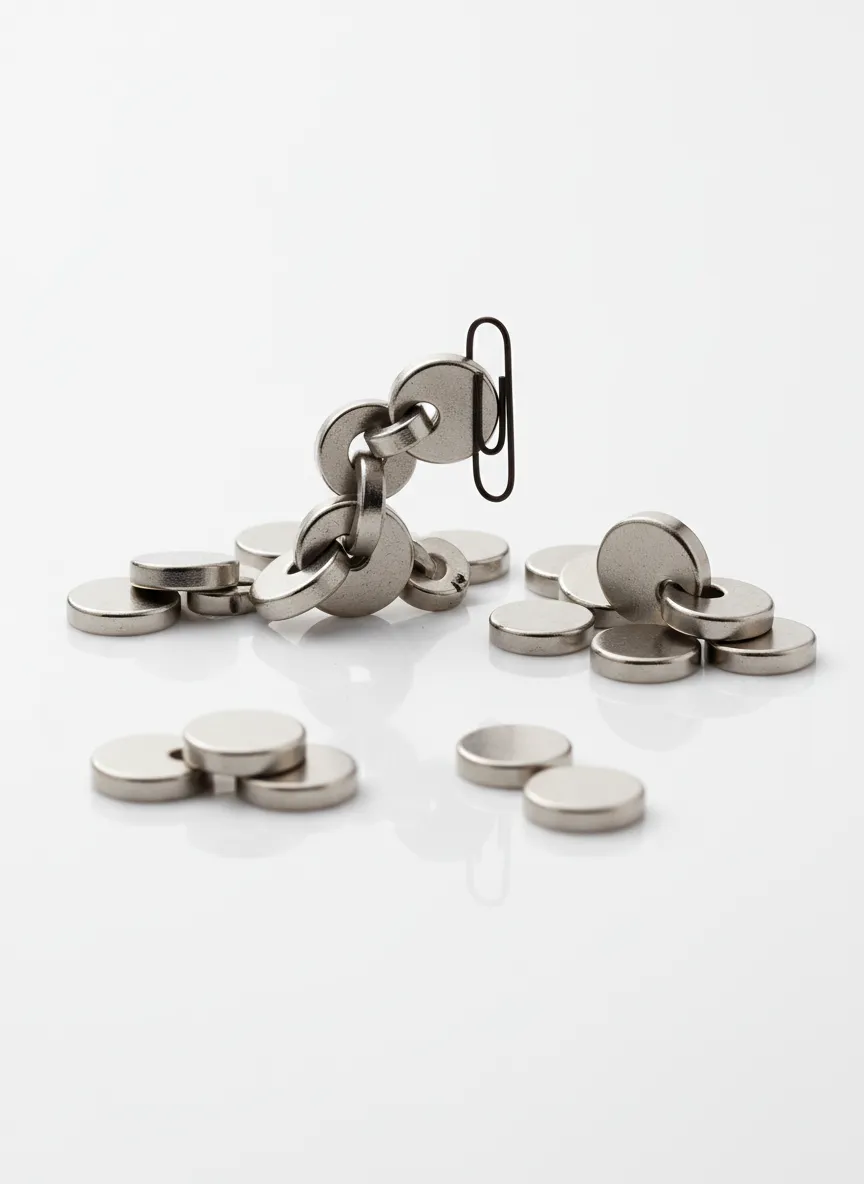
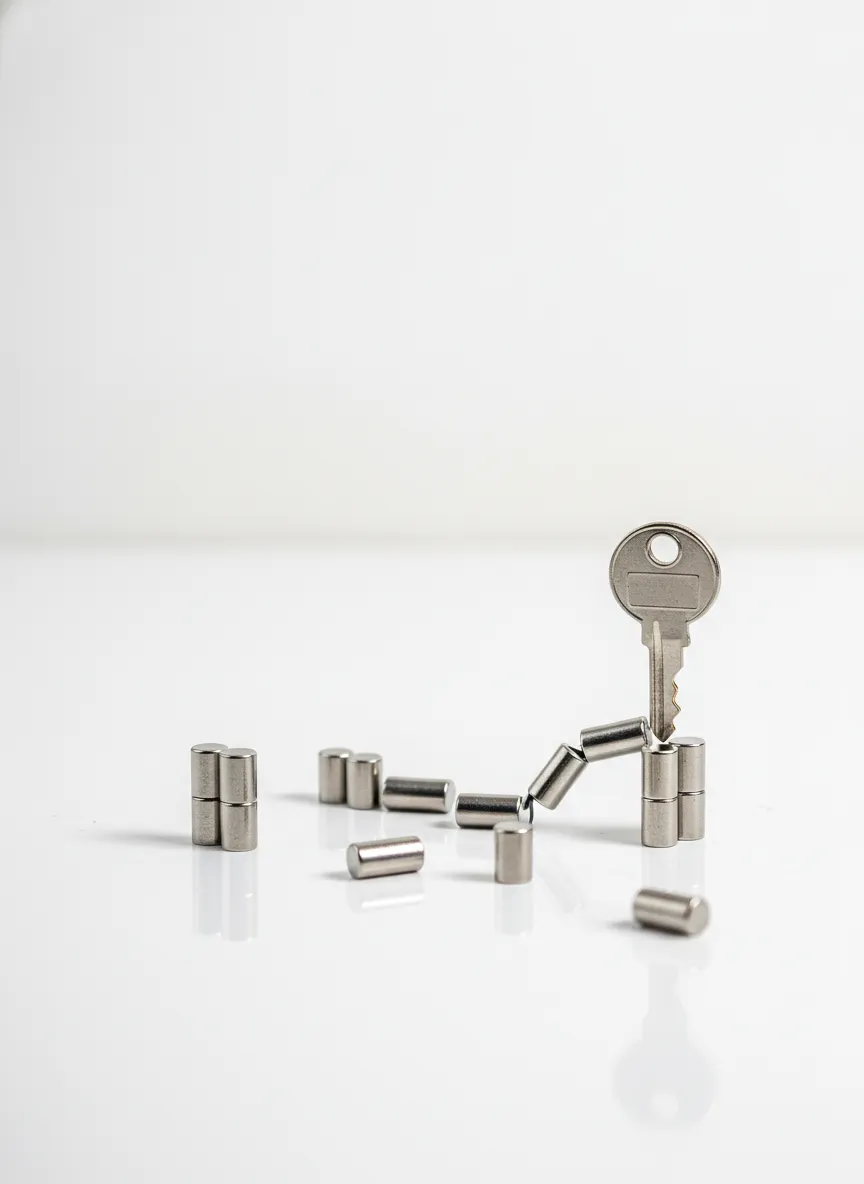
A magnetic stud finder consists of a small plastic housing containing one or two ultra-powerful neodymium (NdFeB) magnets. Neodymium is used because it has a extremely high magnetic flux density, allowing it to detect small steel drywall screws through 1/2-inch or 5/8-inch drywall, plaster, and wallpaper.
Unlike electronic sensors, which attempt to measure the wood itself, magnetic stud finders work by locating the fasteners holding the drywall. Because drywall panels are screwed to studs at regular intervals (typically every 12 to 16 inches), finding a drywall screw is an absolute guarantee that a stud is directly behind it.
The best magnetic stud finders are shaped like a small bar or feature an integrated level. Some models are designed to hang hands-free on the wall once they detect a screw, allowing you to mark the stud with a pencil without holding the tool.
Key Features & Benefits
To select a magnetic stud finder that makes home improvement easy, look for the following features.
Top Features
- Hands-Free Hold: The neodymium magnets are strong enough that once the tool finds a drywall screw, it clings to the wall on its own. This leaves both of your hands free for holding levels and marking lines.
- Battery-Free Operation: There are no electronic parts or batteries. The tool is always ready to use and will never die on you in the middle of a project.
- Integrated Levels: Some models feature built-in vertical and horizontal bubble levels, allowing you to align shelves and frames instantly.
- Wire and Pipe Safety: Drywall screws are anchored into the wooden studs. By finding the screws, you avoid scanning electrical conduits or copper pipes, which do not contain ferrous metals.
Electronic vs. Magnetic Stud Finders
For standard residential drywall, a magnetic stud finder outperforms electronic models in almost every way:
- Calibration Woes: Electronic stud finders require you to hold them against the wall and calibrate them on an empty space. If you accidentally calibrate over a stud, the tool will give false readings. Magnetic finders require zero calibration.
- Drywall Depth: Neodymium magnets can detect drywall screws through up to 3/4-inch drywall or wood paneling. Only thick plaster-and-lath walls pose a challenge, though dragging the magnet slowly can still locate the underlying nails.
- Cost Efficiency: A top-tier magnetic stud finder costs under $10 and lasts a lifetime. High-quality electronic finders can cost upwards of $40 to $80 and deteriorate over time as sensors degrade.
Step-by-Step Guide to Finding Studs Safely
To locate a stud quickly and ensure you are mounting into the center of the wood, follow this simple process:
Step 1: Sweep in an “S” Pattern
Place the magnetic stud finder against the wall and slide it horizontally across the wall in a wide “S” pattern. Move the tool slowly.
Step 2: Feel the Pull
As you pass over a drywall fastener, you will feel a sudden physical pull (tug) on the magnet. Slide the tool back over that spot. The stud finder should snap firmly to the wall and stay there hands-free.
Step 3: Verify the Vertical Line
Drywall screws are rarely placed in a single spot. To confirm you have found a stud (and not a random metal bracket), slide the stud finder vertically up and down from the first screw. You should find another screw about 12 to 16 inches directly above or below it.
If you locate two screws in a perfect vertical line, you have mapped the center of the stud with 100% certainty.
Step 4: Mark and Mount
Use a pencil to mark the center point. You are now ready to pre-drill a pilot hole and mount your shelf, heavy mirror, or TV wall mount bracket safely into the wood stud.
Technical Specifications & Comparison
Here is a comparison of typical magnetic stud finder designs:
| Model Type | Key Features | Best Used For | Complementary Tools |
|---|---|---|---|
| Standard Bar (StudBuddy) | Flat plastic bar, hands-free hold, simple design | General picture hanging, shelf mounting | Claw Hammer |
| Level Combo (CH Hanson) | Integrated bubble levels, ergonomic grip, pointer | Aligning floating shelves, mounting TVs | Torpedo Level |
| Ball Magnet (SpotFinder) | Small magnetic ball on a string, high sensitivity | Older plaster and lath walls, finding hidden nails | Painter’s Tape |
Pros & Cons
Pros:
- 100% Reliable: Never calibration-errors or battery failures.
- Hands-Free: Hangs on the wall on its own to free up your hands.
- Low Cost: Highly affordable, typically costing under $10.
- Safe: Reduces the risk of drilling into copper pipes or wires.
Cons:
- Requires Drywall Screws: Cannot find studs if the drywall is glued down without screws (rare in modern construction).
- Harder on Plaster/Lath: Can be more difficult to find studs on thick, historical plaster walls (requires finding tiny lath nails).
Expert Verdict
“The magnetic stud finder is the single most reliable tool in my mounting kit. I’ve used expensive electronic scanners that cost $50, and they still lag behind a simple, $10 magnet. It clings to the drywall screw, allowing me to step back and inspect my mounting points with a pencil. It belongs in every household junk drawer.”
The Bottom Line
Ditch the frustrating batteries and false beeps. A magnetic stud finder is the simplest, most reliable way to locate wall studs for picture frames, shelving, and home improvements.
Make your next mounting project easy—order a magnetic stud finder today!
Frequently Asked Questions (FAQ)
How deep can a magnetic stud finder detect screws?
High-quality magnetic stud finders with N52 neodymium cores can easily detect steel drywall screws through 1/2-inch and 5/8-inch drywall, which is the standard thickness for residential interior walls. They can also work through standard wallpaper and multiple layers of paint, but their sensitivity decreases on wood paneling thicker than 3/4-inch.
Do magnetic stud finders work on wood studs?
Yes! While wood itself is not magnetic, the drywall panels must be secured to the wood studs using steel drywall screws or nails. By detecting the metal screws, you are pinpointing the exact location of the wooden stud behind it.
Can a magnetic stud finder find metal studs?
Yes! If your home is built using metal studs (common in modern apartment complexes and commercial buildings), the magnetic stud finder will feel a massive, continuous pull along the entire vertical path of the metal stud, rather than just snapping to individual screw points. This makes finding metal studs even easier!
Will a magnetic stud finder detect electrical wires?
No, standard electrical copper wiring is non-ferrous and will not attract the magnets in the stud finder. This is actually a safety benefit: electronic stud finders can mistake wires for studs, whereas a magnetic stud finder will only snap to the steel screws driven safely into the wood studs, helping you avoid electrical hazards.