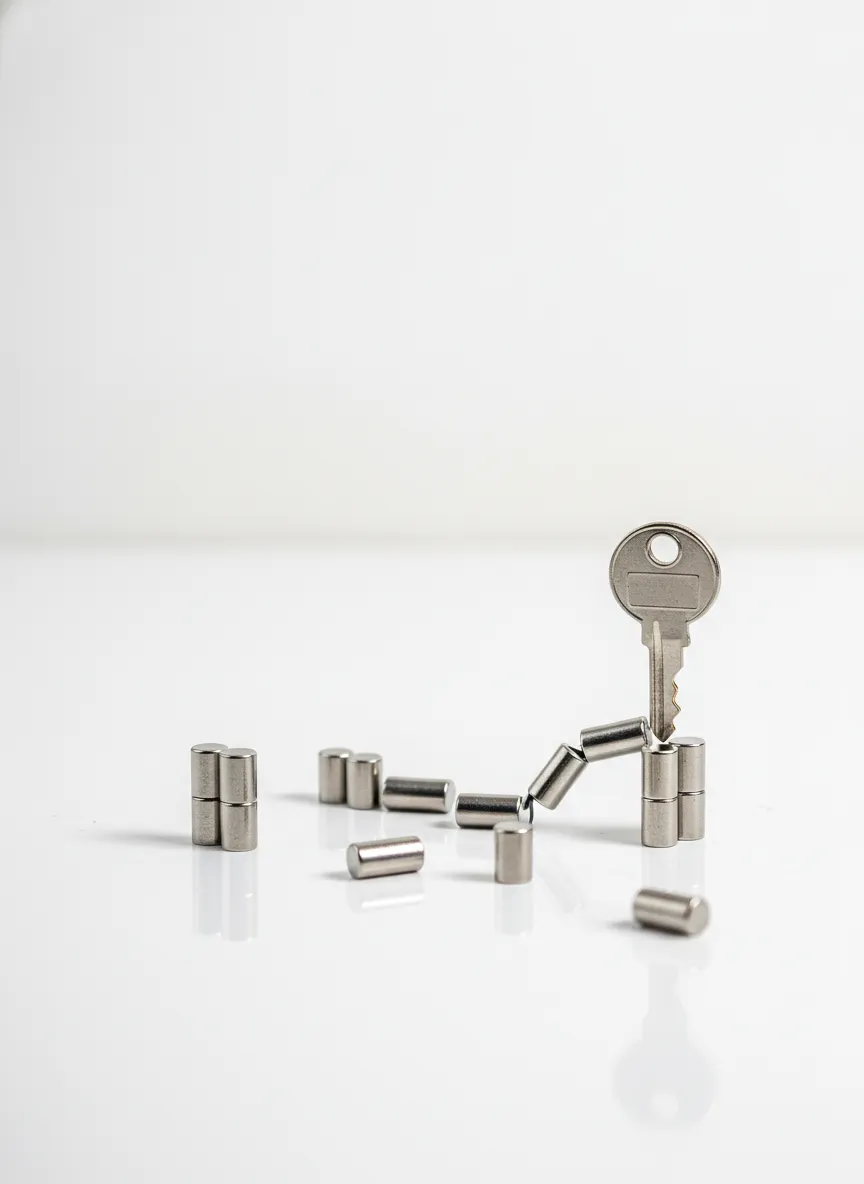
Countersunk Neodymium Magnets: Heavy-Duty Screw-In Base Hardware
Reviewing the best countersunk neodymium magnets with screws. Perfect for cabinet latches, hidden closures, woodworking, and workshop tool organization.
Check Price on AmazonProduct Details & Features
Woodworkers, DIY enthusiasts, and shop organizers know how frustrating traditional latches can be. Mechanical latches wear down over time, plastic catches snap under cold temperatures, and ball-bearing rollers squeak and require constant oiling. If you want a flush, invisible, and wear-free latch for a cabinet door, a custom drawer, a hidden panel, or a workshop tool rack, standard options simply don’t make the cut.
This is where countersunk neodymium magnets come in.
By combining the staggering pull force of rare-earth metals with a pre-bored countersunk hole, these magnets can be screwed directly into wood, plastic, or drywall. They sit perfectly flush with the surrounding surface, allowing you to create high-strength magnetic closures that feel premium and last forever.
In this comprehensive review, we dive into the engineering, mounting practices, and real-world DIY applications of the best heavy-duty countersunk neodymium magnets with screws.
Product Overview: The Power of Screw-In Rare-Earth Magnets
A countersunk neodymium magnet (also known as a cup magnet or round base screw-in magnet) is a specialized piece of hardware designed for mechanical fastening. Unlike simple raw magnetic discs that must be glued into a recess—a process that often fails when the adhesive bond breaks—these magnets feature a tapered, countersunk hole in the center.
This tapered hole is engineered to accept flat-head wood screws. When installed, the screw head sits slightly below the face of the magnet, allowing it to make direct, metal-to-metal contact with a steel strike plate or another magnet without any interference.
Most high-quality countersunk magnets are housed inside a steel cup or feature a thick, reinforced ring structure. The steel casing protects the incredibly brittle neodymium core from shattering when the doors slam shut, while concentrating the magnetic flux to double the holding power.
Key Features & Benefits
When shopping for countersunk magnets, you need hardware that survives repeated mechanical impacts. Here is a detailed breakdown of the features to look for.
Top Features
- Flush Mount Design: The central hole is countersunk on one side, allowing standard flat-head wood screws (typically #4 or #6 sizes) to mount perfectly flush with the magnetic face.
- Reinforced Steel Shell (Cup Magnets): Neodymium is a sintered ceramic and breaks easily. Steel cup housing acts as an armor shell, absorbing the impact of slammed cabinet doors and redirecting magnetic field lines to the front face.
- Triple-Layer Ni-Cu-Ni Plating: A high-quality Nickel-Copper-Nickel electroplating protects the magnet from moisture and rust, ensuring smooth operation in humid kitchens and garages.
- Matching Strike Plates & Screws: Premium packages include matching stainless steel wood screws and flat iron strike plates, meaning you have everything needed to complete a latch project out of the box.
The Role of Steel Cup Housings
If you screw a raw neodymium disc directly to a surface, the tension of the screw can easily crack the magnet around the hole. Furthermore, when another magnet snaps onto it, the impact will eventually chip the edges.
A steel cup magnet solves this entirely. The magnet is glued inside a steel cup during manufacturing. The steel cup absorbs all physical impact. Crucially, the cup also alters the magnetic circuit. The magnetic field lines that would normally radiate out the back of the magnet are bent forward, flowing through the steel rim. This concentrates the magnetic pull, giving a cup magnet up to 200% more holding force than an identical raw disc magnet.
Limitless DIY and Woodworking Applications
These screw-in magnets are the secret behind many high-end custom woodworking projects and storage solutions.
1. Invisible Cabinet and Wardrobe Latches
Tired of bulky plastic cabinet catches? Drill a shallow recess into the cabinet frame and door using a forstner drill bit. Screw a countersunk magnet into the frame, and a matching flat steel strike plate into the door. When closed, the door holds firmly shut with a premium, click-free feel and no visible hardware.
2. Hidden Panels and Access Hatches
If you need to hide plumbing valves, wiring boxes, or home safes behind drywall or wood panels, countersunk magnets are the perfect solution. Mount magnets to the framing studs and matching strike plates to the back of the panel. You can easily pull the panel off for access and snap it back into place, completely concealing the opening.
3. Vertical Workshop Tool Storage
Organize your garage or craft room by screwing heavy-duty countersunk cup magnets directly into a pegboard, wall stud, or wooden rack. You can hang heavy steel tools—such as crescent wrenches, chisels, screwdrivers, and shears—directly on the magnets, keeping your workbench clean and your tools within arm’s reach.
4. Custom Furniture Closures
For high-end jewelry boxes, chests, and folding tables, countersunk magnets provide robust, satisfying closures. You can even cover the magnets with a thin wood veneer sheet to make the closure entirely invisible while retaining plenty of magnetic force.
Technical Specifications & Comparison
Choosing the correct size prevents door sag and ensures easy opening. Here is a guide to typical sizes of countersunk cup magnets:
| Diameter | Thickness | Screw Size | Rated Holding Force | Best Used For |
|---|---|---|---|---|
| 12mm (0.47”) | 4mm | #3 / M3 | 8 - 12 lbs | Small jewelry boxes, lightweight cabinet doors |
| 16mm (0.63”) | 5mm | #4 / M3.5 | 15 - 20 lbs | Standard kitchen cabinet doors, spice racks |
| 20mm (0.79”) | 7mm | #6 / M4 | 30 - 35 lbs | Large wardrobe doors, hidden panels, tool storage |
| 32mm (1.26”) | 8mm | #8 / M5 | 60 - 80 lbs | Heavy workshop tool racks, garage doors, gate latches |
Installation & Mounting Best Practices
To get the most out of your countersunk magnets and prevent damage during installation, follow these tips:
- Do Not Overtighten: Neodymium is fragile. When using a cordless drill driver to drive the wood screws, set the clutch to a low torque setting. Tighten the screw until it is flush, then stop. Overtightening will snap the magnet.
- Pre-Drill Pilot Holes: Always pre-drill pilot holes using a twist drill bit before inserting the screws, especially in hardwoods like oak or maple. This prevents the wood from splitting and makes aligning the screw much easier.
- Check Polarity (Magnet-to-Magnet): If you are mounting two magnets to pull against each other (instead of a magnet to a steel plate), verify the poles are opposing before screwing them down. If you get it wrong, the door will repel and refuse to close! Mark the attracting faces with a marker before installing.
Pros & Cons
Pros:
- Incredible Holding Force: Cup design doubles the holding power of standard neodymium.
- Mechanical Security: Screw-in design is far more reliable than gluing raw magnets.
- Flush Finish: Flat-head screws sit completely flush for clean lines.
- Durable Housing: Steel cups shield the brittle neodymium from breaking.
Cons:
- Fragile Under Torque: Can crack if screws are overtightened with power tools.
- Strict Alignment Needed: Requires precise measuring so the screw head and magnet align flush.
Expert Verdict
“For cabinet makers and shop organizers, countersunk cup magnets are a staple hardware item. They eliminate the need for ugly plastic latches and provide a sleek, modern touch to custom cabinetry. The steel housing is a must-have, protecting the magnet from impact and concentrating the magnetic fields where you need it most.”
The Bottom Line
Upgrade your next woodworking or organization project with heavy-duty countersunk neodymium magnets. They provide a secure, flush, and wear-free mounting solution that mechanical latches simply cannot match.
Add a professional touch to your workshop and home projects—order your countersunk magnets today!
Frequently Asked Questions (FAQ)
Can I use these magnets outdoors?
While the Ni-Cu-Ni triple-layer plating provides great protection against humidity, prolonged outdoor exposure to rain or marine environments will eventually cause the iron inside the neodymium to rust. For outdoor gates or shed doors, we recommend coating the installed magnets with a thin layer of clear silicone, marine epoxy, or buying rubber-coated countersunk magnets.
How do I align the magnet and the strike plate perfectly?
To align the door latch perfectly:
- Mount the countersunk magnet to the cabinet frame first.
- Snap the strike plate onto the mounted magnet.
- Place a small piece of double-sided tape on the back of the strike plate.
- Close the cabinet door firmly. The tape will transfer the strike plate to the exact correct position on the inside of the door.
- Open the door and screw the strike plate down.
Why did my countersunk magnet crack when I screwed it in?
Neodymium is a sintered powder metal, which behaves like a ceramic. If you use a high-torque impact driver or overtighten the screw, the pressure of the screw head expanding inside the countersunk hole will crack the magnet. Always pre-drill pilot holes, use hand screwdrivers for the final turns, or set your drill’s clutch to a low torque setting.
Do these magnets come with the screws?
Most premium kits include matching countersunk screws. However, verify the packaging before ordering. If you need to buy screws separately, ensure you buy flat-head wood screws that match the countersunk angle of the magnet (typically #4, #6, or #8 sizes depending on the magnet diameter).