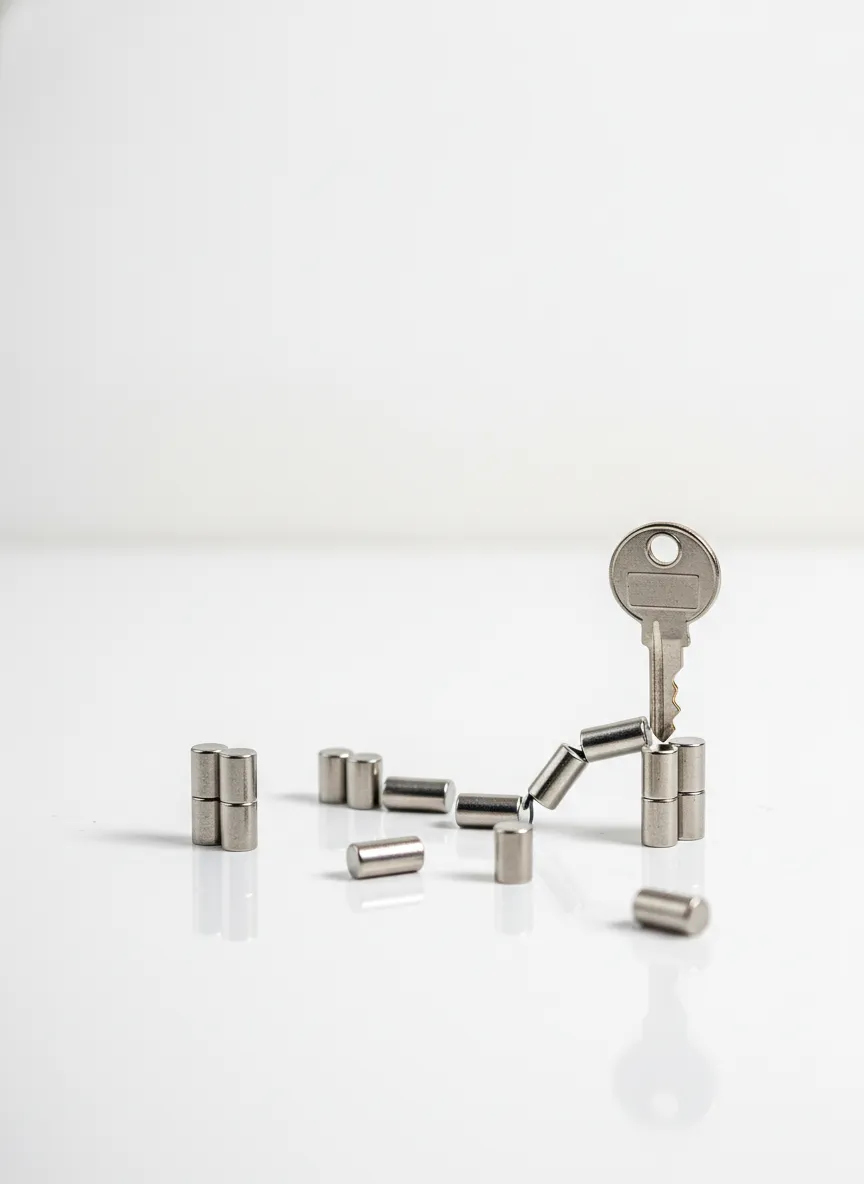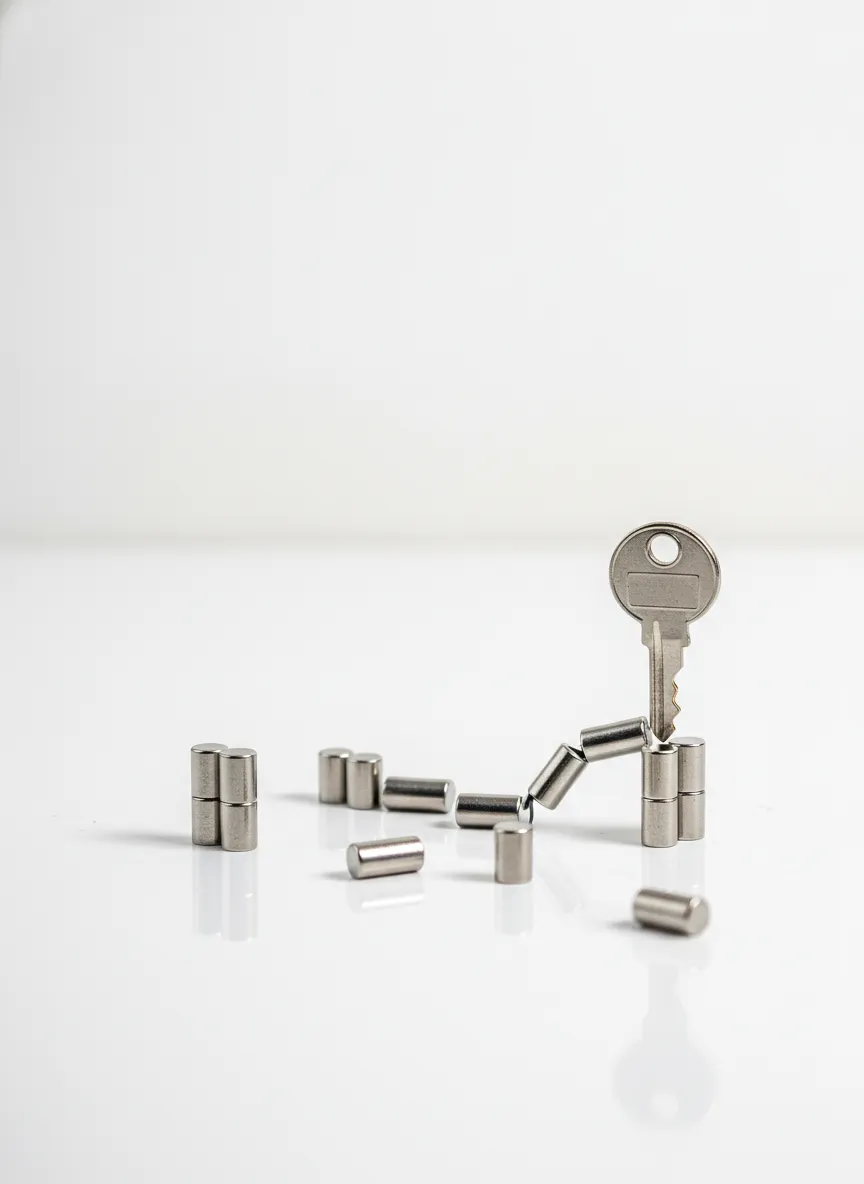
TRYMAG Neodymium Magnets Review: Tiny, Powerful, and Worth It?
TRYMAG magnets reviewed: unmatched pull force, Ni-Cu-Ni plating. Are TRYMAG neodymium magnets worth it? Full review for crafts, Warhammer, 3D printing & home.
Check Price on AmazonProduct Details & Features
You know the frustration: a slight breeze rolls through the kitchen, and the wedding invitation you pinned to the fridge flutters to the floor. Standard black ceramic magnets are bulky, visually unappealing, and notoriously weak. If you are relying on cheap, outdated magnetic solutions to organize your home, secure your crafts, or display important documents, you are settling for less than what modern engineering offers. Enter rare-earth technology.
TRYMAG magnets represent a massive leap in utility, offering staggering pull-force in a form factor so small it borders on the microscopic. Whether you are an avid tabletop gamer magnetizing miniature weapon loadouts, a homeowner looking to declutter a workspace, or a DIY enthusiast building custom storage solutions, trymag neodymium is the answer.
These tiny, sleek, silver-plated discs pack an unbelievable punch. But are they the right fit for your specific project? Do they hold up against heavy use without chipping or losing their magnetism? In this comprehensive trymag magnets breakdown, we dissect the engineering, the practical applications, and the sheer value of the TRYMAG magnet sets to see if they truly deserve a spot in your toolbox.
Product Overview: The Power of Rare-Earth Engineering
When we talk about neodymium magnets (often referred to as NdFeB magnets), we are discussing a specific crystalline structure composed of neodymium, iron, and boron. This alloy produces the strongest type of permanent magnet commercially available today. TRYMAG has harnessed this raw power and refined it into a consumer-friendly package. Any reliable trymag review will confirm that these small discs outperform alternatives many times their size.
Unlike standard ferrite magnets that lose their charge over time or require massive surface areas to hold a simple sheet of paper, TRYMAG magnets utilize high-grade rare-earth materials. A single, tiny disc—often no larger than a button battery or a pencil eraser—can comfortably hold dozens of sheets of paper to dry erase whiteboards or secure heavy metal tools to a steel backing.
What sets TRYMAG apart in a crowded marketplace of generic hardware is their commitment to quality control. If you search for trymag magnets reviews, you will find consistent praise for their dimensional accuracy. Finding micro-magnets with consistent dimensions is crucial for precision projects. If you are designing 3D printed parts that require press-fit tolerances, a fraction of a millimeter variation can ruin a print. TRYMAG delivers exceptional consistency, ensuring that every disc in the pack is machined to exact specifications.

Key Features & Benefits
To understand why these specific magnets have garnered tens of thousands of five-star trymag reviews, we need to look beneath the surface. Here is a detailed breakdown of the features that make TRYMAG an absolute necessity for your home and workshop.
Top Features
- Exceptional Pull Force: Despite their diminutive size, these magnets boast a high N-rating (typically N35 to N52 for rare earth variants), meaning their magnetic flux density is maximized. A single tiny disc can hold up items exponentially heavier than its own weight.
- Triple-Layer Plating (Ni-Cu-Ni): Raw neodymium oxidizes rapidly. TRYMAG utilizes a premium Nickel-Copper-Nickel triple-layer coating. This not only gives the magnets a brilliant, mirror-like silver finish but also provides critical resistance against corrosion, moisture, and everyday wear and tear.
- Aesthetic Invisibility: Because they are so small, these magnets do not obscure what they are holding. When pinning photos to a magnetic calendar or displaying art on a stainless steel refrigerator, the magnet virtually disappears, letting your display shine.
- Bulk Quantity Value: Precision projects require volume. TRYMAG packages these magnets in generous bulk quantities, meaning you will rarely have to pause a project to reorder.
The Advantage of Ni-Cu-Ni Plating
Let’s dive deeper into the coating. Cheaper magnets often use a single layer of nickel or even epoxy. While this might look fine out of the box, a single scratch exposes the iron-rich core to ambient humidity, leading to rapid rusting. Rust causes the magnet to swell, crack, and ultimately disintegrate into magnetic dust.
The Ni-Cu-Ni process involves an initial layer of nickel to adhere tightly to the neodymium base, a middle layer of copper to provide a ductile buffer that absorbs micro-impacts, and a final outer shell of bright nickel for a smooth, hard, scratch-resistant surface. This makes them ideal for use on delicate surfaces like magnetic glass boards; the smooth finish minimizes the risk of scratching the glass when you slide the magnet around.
Precision Machining for Makers
If you work with cyanoacrylate super glue or two-part epoxy resin to set magnets into custom housings, you know that size consistency is non-negotiable. TRYMAG’s manufacturing process utilizes advanced wire-cutting and grinding techniques. Whether you are dropping them into slots printed with 3D printer PLA filament or setting them into cured resin 3D printer models, you can trust that a 5mm hole will perfectly accept a 5mm TRYMAG magnet, every single time.
Limitless Practical Applications
The true value of trymag magnets lies in their staggering versatility. They are not just for hanging grocery lists; they are fundamental building blocks for thousands of DIY, organizational, and creative projects. This trymag magnets review will cover the most popular use cases across multiple categories.
1. Tabletop Gaming and Miniatures
For the tabletop hobbyist, these magnets are a holy grail. When assembling Warhammer 40k models or Dungeons and Dragons miniatures, gamers often want to swap out weapons or equipment depending on the rules of the game. Gluing a model statically limits its utility.
By using a pin vise hand drill to create a small cavity in the model’s shoulder and arm joints, you can seat a tiny TRYMAG magnet using high-quality miniature painting kits adhesives. The magnetic pull is strong enough to keep a heavy resin or plastic arm firmly in place during gameplay, yet allows for instant swapping. Handling these micro-magnets requires precision, making a good set of precision tweezers and a sharp hobby knife set essential companion tools.

2. Kitchen and Pantry Organization
Tired of cluttered countertops? Use TRYMAG magnets to revolutionize your space. By gluing these powerful discs to the inside lids of small glass containers, you can create your own custom magnetic spice jars. Simply stick them to the side of your fridge or a mounted metal plate under your cabinets.
They are also perfect for securing under-cabinet lighting or LED strip lights. Instead of relying on the flimsy double-sided tape that often fails in humid kitchen environments, epoxy a few TRYMAG discs to the back of the light bar. This allows you to easily snap the lights onto any metal surface, and pull them down effortlessly when you need to change the AA batteries.
Combine them with pantry organization bins that have metal label plates, and you have a modular, infinitely adjustable organizational system.
3. The Ultimate Garage & Workshop Setup
In the garage, vertical storage is king. While a massive magnetic tool holder is great for large hammers, what about your smaller, delicate bits? TRYMAG magnets are ideal for customizing stainless steel toolboxes or pegboard accessories. A trymag magnet assortment gives you the flexibility to choose the exact size for each tool.
You can embed these magnets into wooden blocks to create bespoke holders for socket sets, hex key sets, and drill bit organizers. Drop a magnet into your pocket, and you instantly have a secure place to hold drywall screws while perched on a ladder, or better yet, craft your own DIY magnetic wristband by sewing a few into a fabric strap. If you drop tiny screws on the floor, attaching a large cluster of these magnets to a stick creates an impromptu magnetic sweeping broom to safely gather lost hardware.
4. STEM Education and Science Fairs
For educators and parents, neodymium magnets are the ultimate teaching tool for physics. Because their magnetic field is incredibly dense, they vividly demonstrate invisible forces. Pair TRYMAG magnets with iron filings to map out 3D magnetic field lines on a sheet of paper.
They are the engine behind DIY ferrofluid display projects, causing the liquid metal to spike and dance beautifully. Advanced students can use them alongside copper wire coils, LED diodes, and a multimeter testing kit to build functioning homopolar motors or simple electrical generators. You will likely want a good soldering iron kit, some heat shrink tubing, and reliable wire strippers to complete those circuit builds. You can even experiment with diamagnetism by trying to float bismuth crystals between two repelling neodymium poles.
Technical Specifications & Comparison
Understanding the exact specifications ensures you are buying the right tool for the job. Below is a breakdown of the technical details, alongside links to complementary tools you might need to check your own project tolerances.
| Feature | Detail | Complementary Tools & Accessories |
|---|---|---|
| Material Composition | NdFeB (Neodymium, Iron, Boron) | View Heavy-Duty Cardstock |
| Coating / Plating | Ni-Cu-Ni (Nickel-Copper-Nickel) | View Magnetic Paint |
| Shape | Round Cylinders / Discs | View Digital Calipers |
| Heat Tolerance | Up to 80°C / 176°F | View Hot Glue Guns |
| Magnetic Direction | Axially Magnetized (poles on flat ends) | View Stud Finders |
Note: Because rare earth magnets lose their charge at extreme temperatures, avoid using high-heat industrial applications where ambient temps exceed 176°F. For standard household use, this is never an issue.
Safety and Proper Handling Instructions
It is vital to address a common misunderstanding about neodymium: it is a ceramic, not a solid metal. Despite the metallic nickel coating, the internal structure of an NdFeB magnet is incredibly brittle.
If you take two TRYMAG magnets and allow them to snap together from a distance of a few inches, the sheer acceleration and impact force can cause the nickel plating to fracture, and the magnet itself to chip or shatter into sharp shards.
How to Separate Neodymium Magnets
Never try to pull them straight apart; the magnetic tension is simply too high. Instead, you must slide them.
- Grasp the stack of magnets firmly.
- Place your thumb on the top magnet.
- Apply lateral pressure, sliding the top magnet horizontally off the edge of the stack.
- Once it clears the edge, pull it away quickly before it can snap back.
For larger stacks, using the edge of a desk or a piece of plastic between the magnets can provide leverage. If you are integrating these into woodworking, where you might use craft wood sticks, drywall wall anchors, or picture hanging wire, always seat the magnet with glue before allowing another magnetic surface near it to prevent high-velocity impacts.
Keep Away From Children and Electronics
Because they are so small and look like shiny candy, they pose a severe swallowing hazard for toddlers and pets. Furthermore, keep them safely away from pacemakers, old CRT monitors, and magnetic storage media. While modern smartphones are generally safe (and actually use similar magnets in accessories like a magnetic phone mount), it is best practice to keep loose, high-powered magnets away from sensitive electronics.

Crafting Your Own Organization System
One of the most popular uses for TRYMAG magnets is custom cable management. In a modern home office, wire clutter is a massive distraction. Instead of buying expensive, proprietary clips, you can create an invisible system.
By supergluing a tiny TRYMAG magnet to the end of your charging cables, and attaching a hidden metal washer under the lip of your desk or desktop organizer, your cables will snap effortlessly into place when not in use. You can ditch the bulky plastic cable management clips and achieve a minimalist, floating look.
Similarly, if you have coated a wall in your office with chalkboard paint layered over a magnetic primer, you can use these magnets to invisibly pin blueprints, fabric swatches, or inspirational art directly to the wall without using thumbtacks that damage your documents. Need to organize your hardware? Glue them to the bottom of screw organizers so the bins never slide around inside your drawer or filing cabinet.
Pros & Cons
No product is completely flawless, and it is important to weigh the realities of rare-earth magnets before purchasing.
Pros:
- Unmatched Strength-to-Size Ratio: They hold significantly more weight than traditional magnets ten times their size.
- Aesthetically Pleasing: The shiny nickel finish looks professional, clean, and modern.
- High Versatility: Perfect for virtually any DIY, organization, or crafting project.
- Consistent Sizing: High manufacturing tolerances mean predictable performance for precision builds.
Cons:
- Brittle Nature: They will chip or break if allowed to crash into each other from a distance.
- Difficult to Handle: Because they are so small and strong, separating a large stack requires patience and the correct “sliding” technique.
- Not Heat Resistant: Exposure to extreme heat (over 176°F) will permanently demagnetize them.
Expert Verdict
“The TRYMAG Neodymium Magnets aren’t just an office supply; they are an essential piece of hardware for the modern maker, organizer, and hobbyist. Their power is genuinely surprising the first time you handle them. As long as you respect their brittle nature and handle them correctly, this bulk pack will solve organizational problems you didn’t even realize you had. They represent incredible value for the sheer utility they provide.”
The Bottom Line
If you are tired of sliding papers, failing tape, and bulky ceramic eyesores, it is time to upgrade to rare-earth technology. This trymag review confirms that TRYMAG has delivered a product balancing industrial-grade holding power with a consumer-friendly form factor and price point. Whether you are outfitting a workshop, magnetizing a miniature army, or simply trying to keep your family’s calendar firmly affixed to the fridge, trymag magnets deliver flawless performance.
Don’t settle for weak, frustrating magnets any longer. Upgrade your home, office, and workshop with trymag magnets today.
Frequently Asked Questions (FAQ)
How do TRYMAG neodymium magnets compare to standard ceramic magnets? Are trymag magnets better?
Yes, trymag magnets are exponentially stronger than standard ceramic (ferrite) magnets of the same size. While a large ceramic disc might hold a few sheets of paper, a tiny TRYMAG neodymium disc can hold the same load at a fraction of the size. NdFeB magnets have a maximum energy product (BHmax) up to 10× higher than ferrite, making trymag the clear choice for precision and space-limited applications.
What size TRYMAG magnets are best for magnetizing Warhammer 40k miniatures?
For most 28mm–32mm scale miniatures (arms, weapons, turrets), a 2mm × 1mm or 3mm × 1mm TRYMAG magnet is the industry standard. For larger connection points such as vehicle hulls or dreadnought arms, step up to a 5mm × 2mm disc. Always drill with a matching-diameter pin vise bit and verify polarity with a marker on a master stick before gluing.
Can TRYMAG neodymium magnets demagnetize over time?
Under normal operating conditions (room temperature, no competing magnetic fields), TRYMAG neodymium magnets will retain their full magnetic charge for decades. The only ways to permanently demagnetize them are sustained heat above 80°C (176°F), a powerful opposing magnetic field, or physical damage to the crystal structure. They do not “wear out” with regular use.
Are TRYMAG magnets waterproof or suitable for outdoor use?
The triple-layer Ni-Cu-Ni coating makes TRYMAG magnets highly resistant to moisture and corrosion in typical indoor environments. For prolonged outdoor exposure to rain or saltwater, it is advisable to seal the magnets in epoxy resin or coat them with clear polyurethane spray after installation to prevent eventual plating degradation.